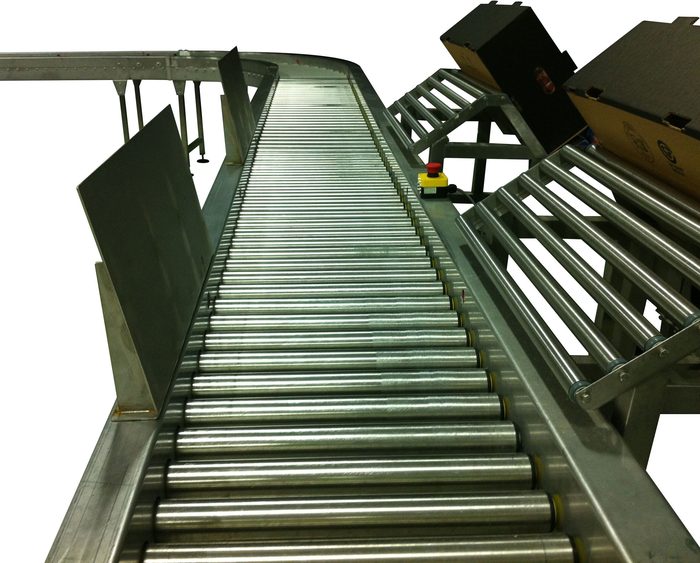
Conveyor Components
Rollers, idlers, belting, guides and conveyor frames.
Also searched as: conveyor rollersconveyor beltidlerroller trackbelting
-
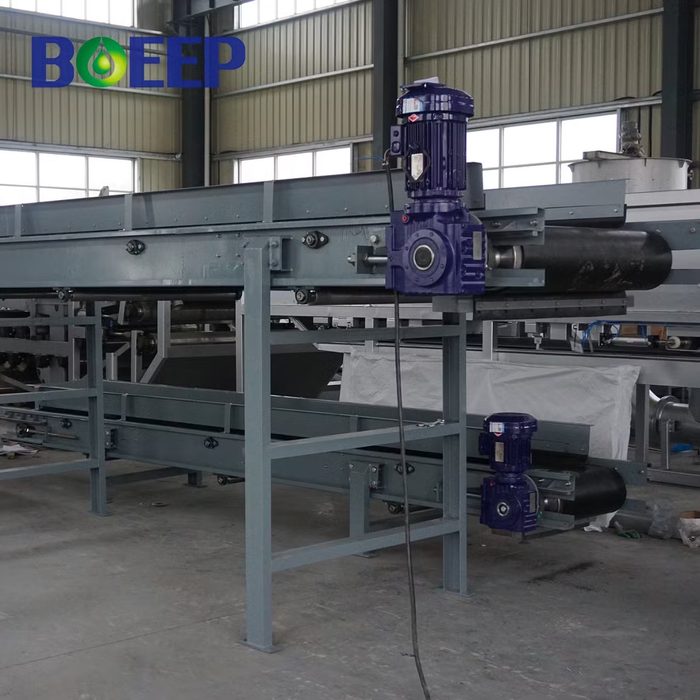 from $5.00Made-in-China $5.00 eBay $13.45 Made-in-China Made-in-ChinaWholesale price quotes available Request a quote
 -
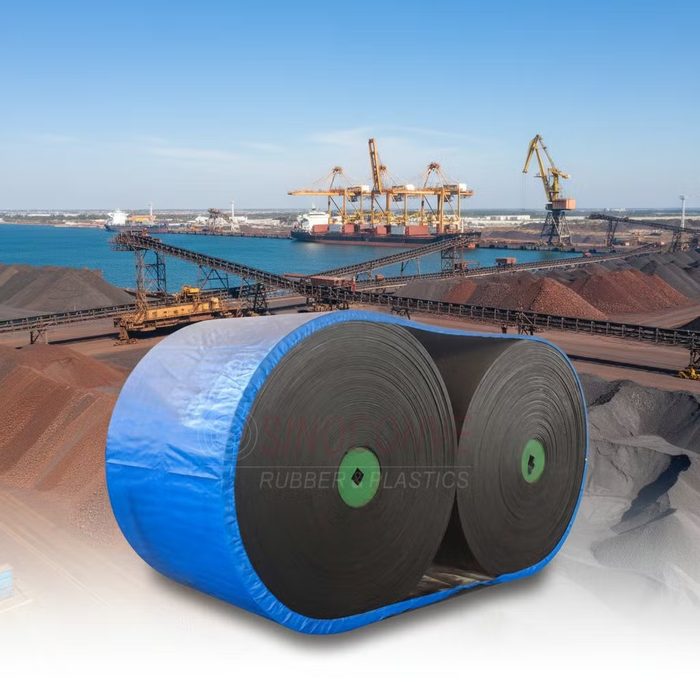
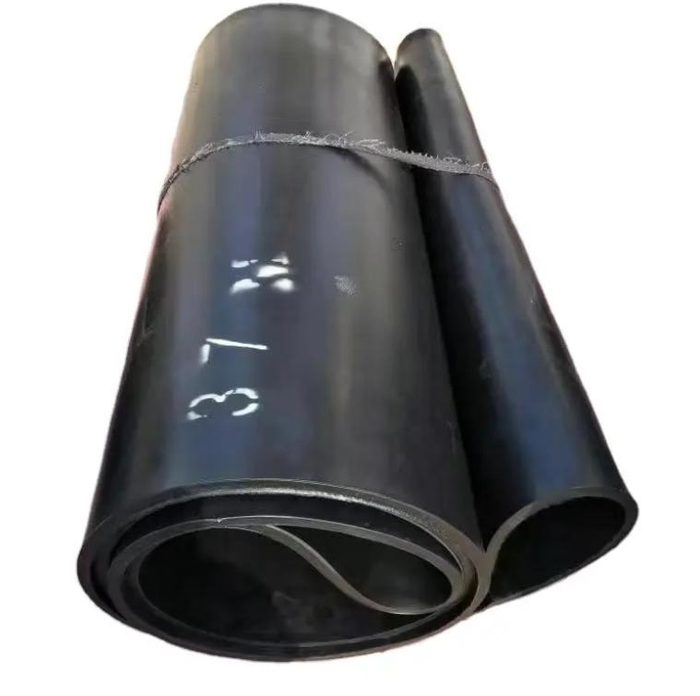
2 Ply Fabric Ep-250 Rubber Conveyor Belt
Belt Width: 500-2500mmCover Thickness Upper: 1.5-12Cover Thickness Uppertlower: 0-4.5Fabric Structure Warp: PolyesterFabric Structure Weft: Polyamide
-
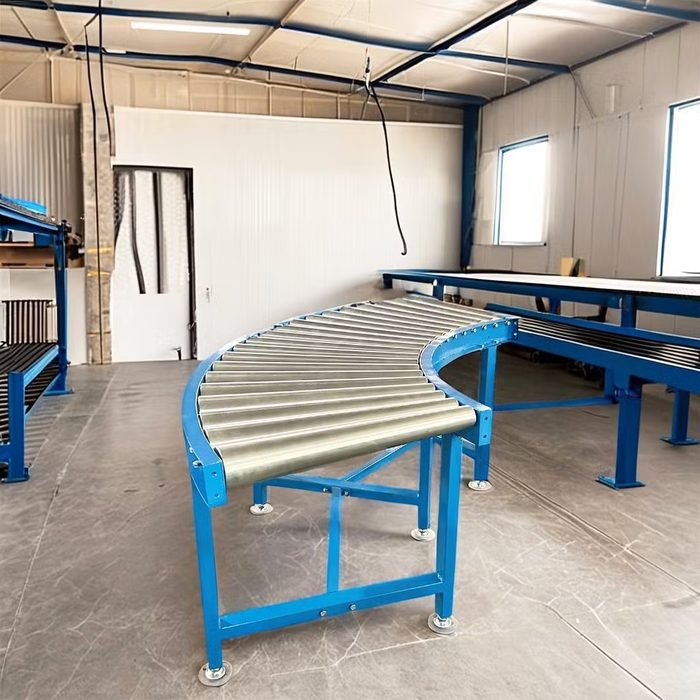
90 Degree Turning Gravity Heavy Duty Roller Track Conveyor
Load Weight Per Roller: 60 kg
Made-in-ChinaWholesale price quotes available Request a quote -
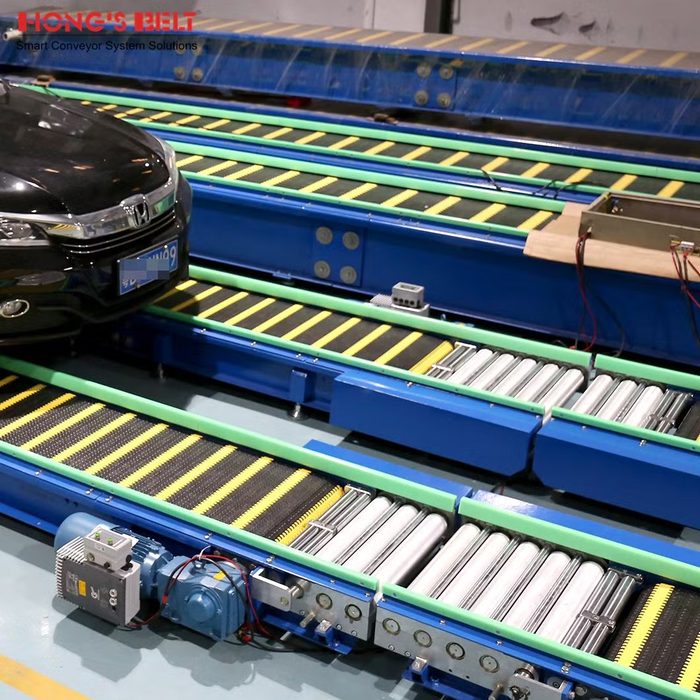
Automotive Conveyor Belt
Application: Automotive
Made-in-ChinaWholesale price quotes available Request a quote -
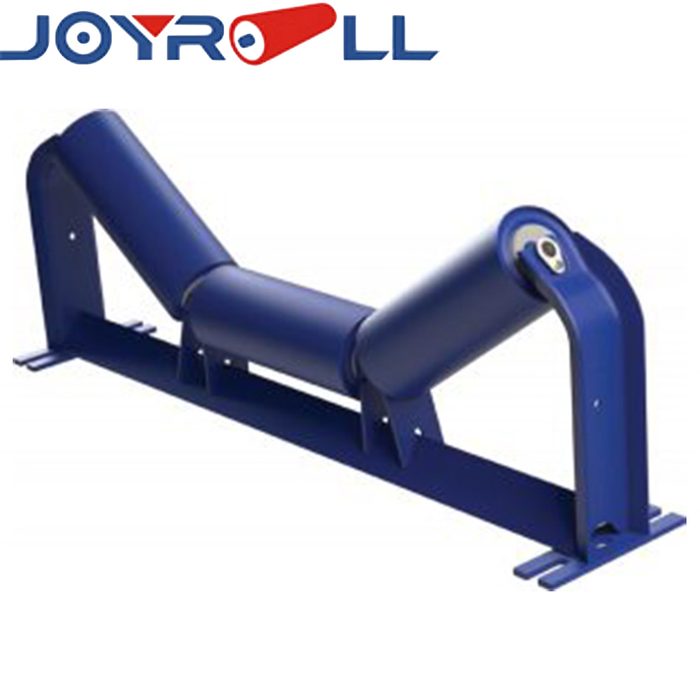 Made-in-ChinaWholesale price quotes available Request a quote
 -
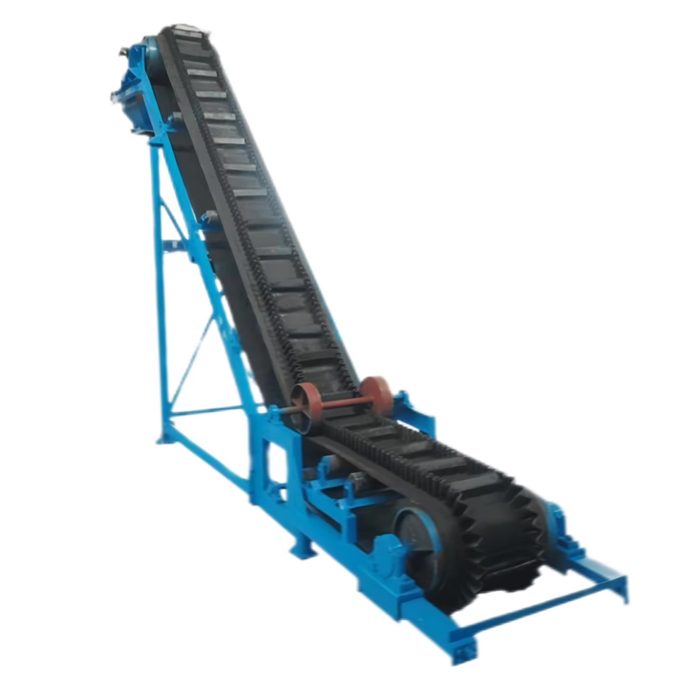
Elevator Conveyor Belt
Application: Elevator
Made-in-ChinaWholesale price quotes available Request a quote -
-
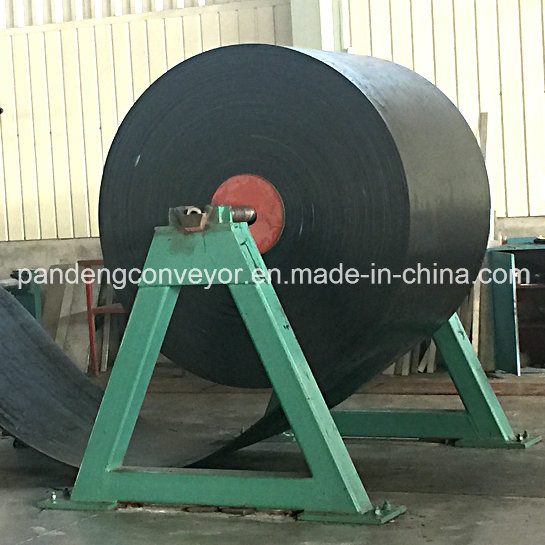
Fabric Reinforced Conveyor Belt
Application: Mining downholes and other applications where flame retardance and resistance to static electricity are requiredApplications: Mining DownholesBelt Width: 400mm- 1600mmBond Strength Between Rubber and Carcass: ≥6.5n/mmHS Code: 40101200
-
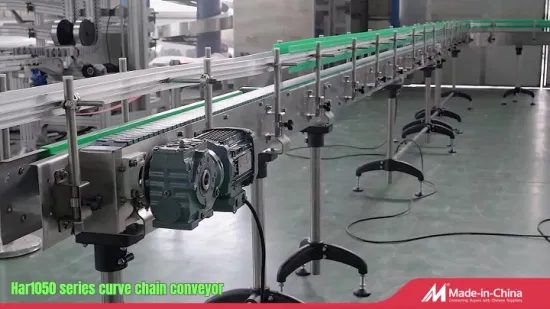
Food Grade Conveyor Belt
Grade: Food Grade
-
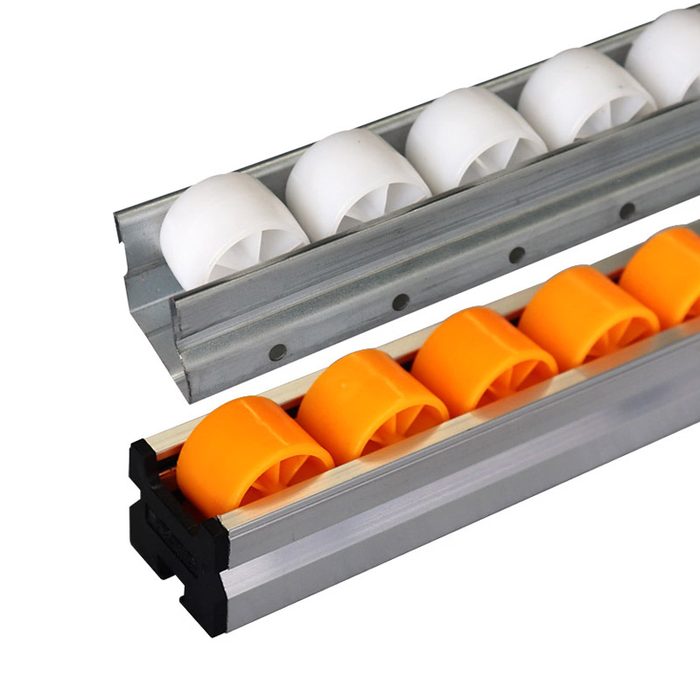
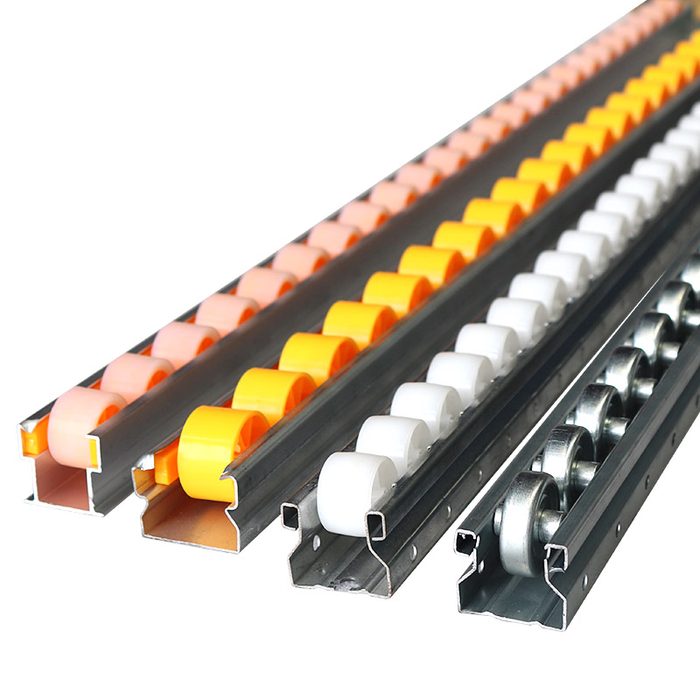
Gravity Roller Conveyor Skate Wheel Plastic Skid Track
Wheel Material: PlasticWheel Type: Skate Wheel
Made-in-ChinaWholesale price quotes available Request a quote -
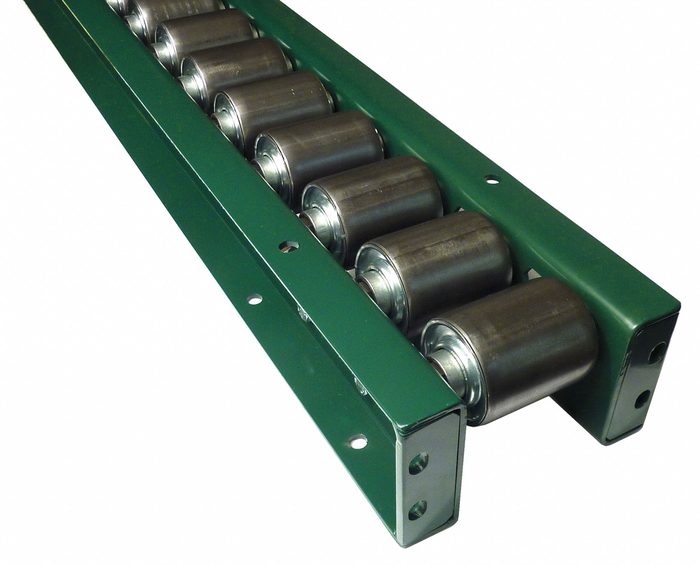
Heavy Duty Flow Rail Roller Track
Duty: Heavy
Made-in-ChinaWholesale price quotes available Request a quote -
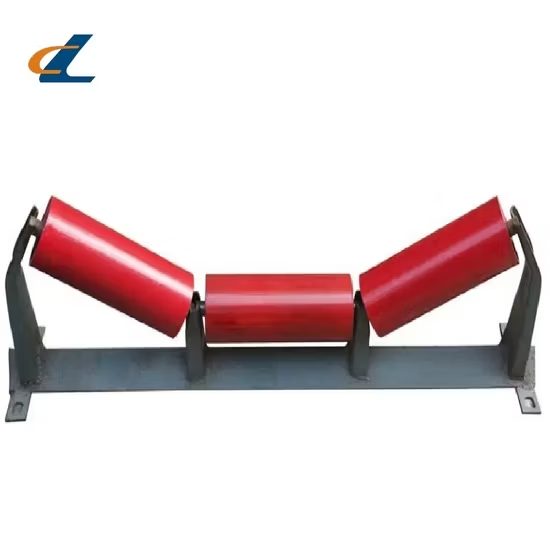
High-Strength Large Self-Aligning Idler
IP Rating: Dust/Water
Made-in-ChinaWholesale price quotes available Request a quote -
 Made-in-ChinaWholesale price quotes available Request a quote
 -
 Made-in-ChinaWholesale price quotes available Request a quote
 -
Made-in-ChinaWholesale price quotes available Request a quote
-
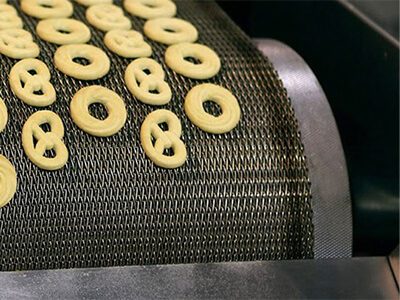
Metal Conveyor Belt
Feature: Oil-Resistant, Acid And Alkali Resistant, Tear-Resistant, Heat-Resistant, Cold-Resistant, Wear-Resistant, Food GradeTensile Strength: Strong
-
 Made-in-ChinaWholesale price quotes available Request a quote
 -
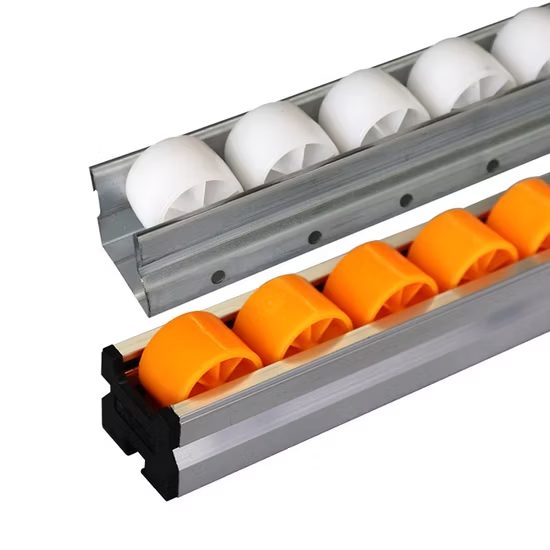
Roller Track with Conveyor Plastic Roller
Roller Material: Plastic
Made-in-ChinaWholesale price quotes available Request a quote -
 Made-in-ChinaWholesale price quotes available Request a quote
 -
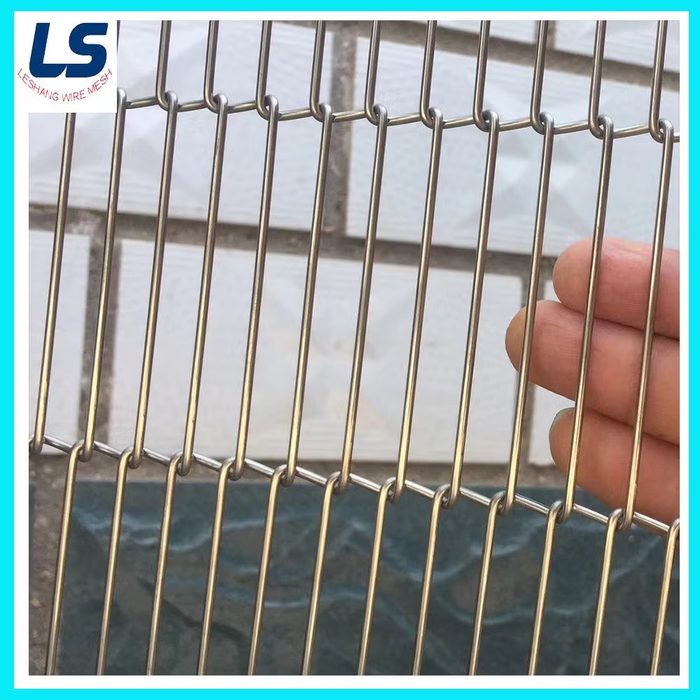
Stainless Steel Combination Conveyor Belt Mesh/Chain
Feature: Oil-Resistant, Acid And Alkali Resistant, Heat-Resistant, Cold-Resistant, Wear-ResistantTensile Strength: Strong
-
Standard Flow Rail Roller Track
Duty: Standard
Made-in-ChinaWholesale price quotes available Request a quote -
 Made-in-ChinaWholesale price quotes available Request a quote
 -
 Made-in-ChinaWholesale price quotes available Request a quote
 -
 Made-in-ChinaWholesale price quotes available Request a quote
About conveyor components
Conveyor components are fundamental to material handling systems, providing the means to transport goods efficiently. This category encompasses a range of parts including rollers, idlers, belting, guides, and structural conveyor frames. Rollers and idlers, often specified by diameter (e.g., 1.9-inch, 2.5-inch) and shaft size, are critical for supporting and moving the belt or product. Variants include gravity rollers, driven rollers, and tapered rollers for curves, available in steel, stainless steel, or PVC. Belting is selected based on application, with common types including PVC, urethane, and rubber, defined by ply count, tensile strength (e.g., PIW rating), and surface finish (e.g., smooth, rough top, cleated). Guides, such as UHMW-PE or nylon wear strips, manage product alignment and prevent spillage. Conveyor frames, typically constructed from aluminum extrusion (e.g., 15 Series, 40 Series) or welded steel, provide the structural integrity, with dimensions and load ratings being primary selection criteria. Components are often chosen based on load capacity, operating speed, environmental conditions (e.g., temperature, washdown), and required service life.
How to choose
Selecting conveyor components involves a systematic approach. First, define the material characteristics: weight, dimensions, and fragility. This dictates the required load capacity and belt type. Second, consider the operational environment: temperature range, presence of abrasives, moisture, or chemicals will influence material choices for belting, rollers, and frames (e.g., stainless steel for washdown). Third, determine the required throughput and speed, which impacts roller diameter, motor sizing (if driven), and belt tensile strength. Finally, evaluate the layout and path: straight sections use standard rollers and frames, while curves necessitate tapered rollers and specialized guides. Account for any accumulation or indexing requirements to specify appropriate control components.